On 19 April, members of Workplace Pride gathered at the Rijksmuseum in Amsterdam for an inspiring afternoon focused on LGBTIQ+ inclusion within the cultural sector.

The event began with a visit to the temporary Metamorphosis exhibition, giving participants a moment for reflection and creative inspiration ahead of the discussions.

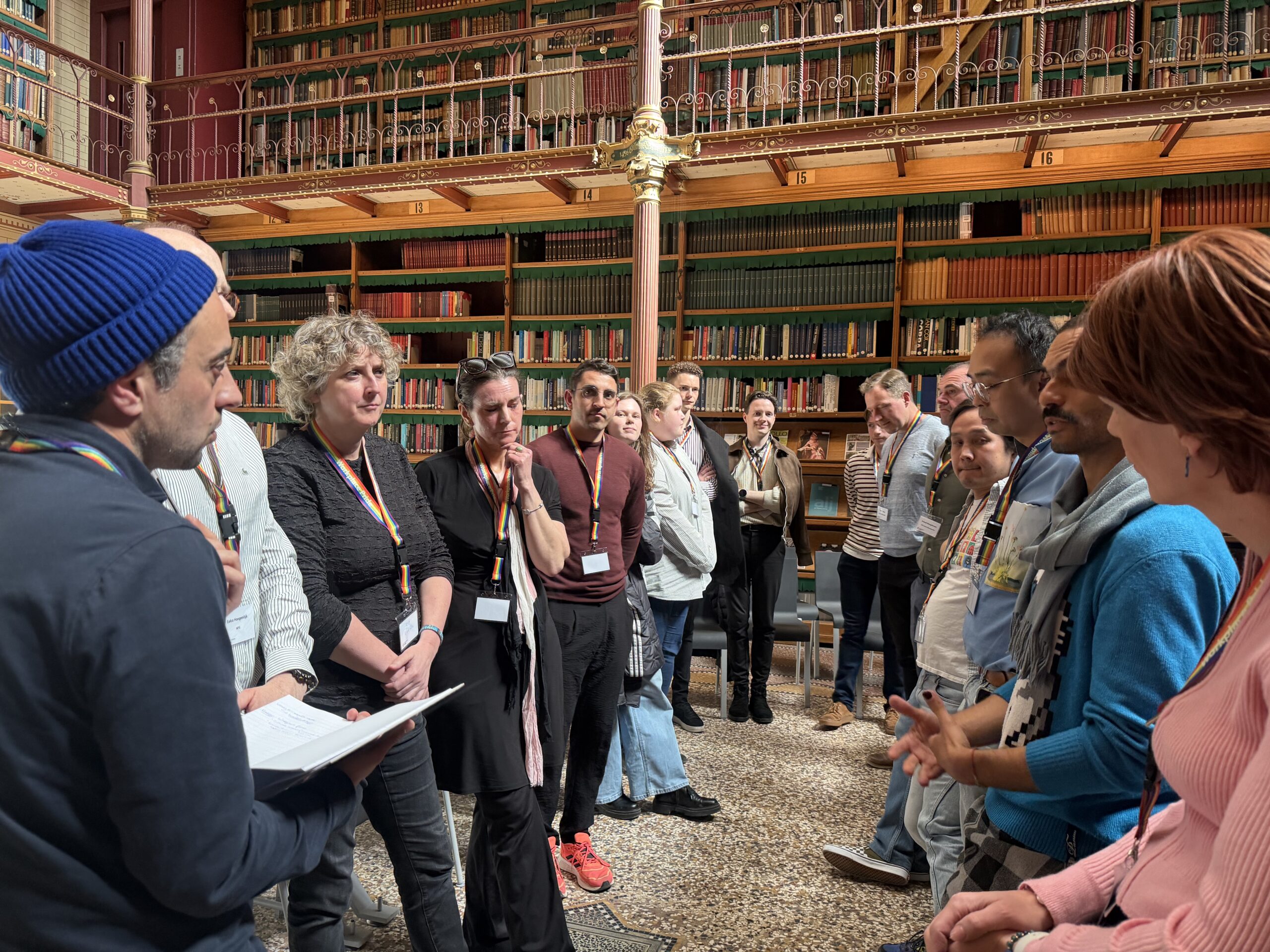
The group was warmly welcomed in the museum’s historic library by Yakunu van Santen, Head of Public Affairs, and Shivan Shazad, Diversity & Inclusion Manager, both active members of the Rijksmuseum Queer working group. The setting, rich in history and atmosphere, underlined the role of culture as both a reflection of, and a driver for, societal change.

Organised collaboratively by Workplace Pride, the Rijksmuseum, the Young & Academia@Workplace Pride communities, and Erasmus Pride, the event centred on a key question: what does it mean to work in the cultural sector as an LGBTIQ+ professional, and how can the sector become more inclusive?

A thoughtful panel discussion brought together Giulio Gallo, Michiel Kolman, and Shivan Shazad, moderated by Nathaniel Papilaja. Together, they explored the current state of LGBTIQ+ inclusion in cultural institutions and reflected on how queer young professionals can advocate for themselves and their communities. The conversation was open and dynamic, creating space for diverse perspectives and honest dialogue.

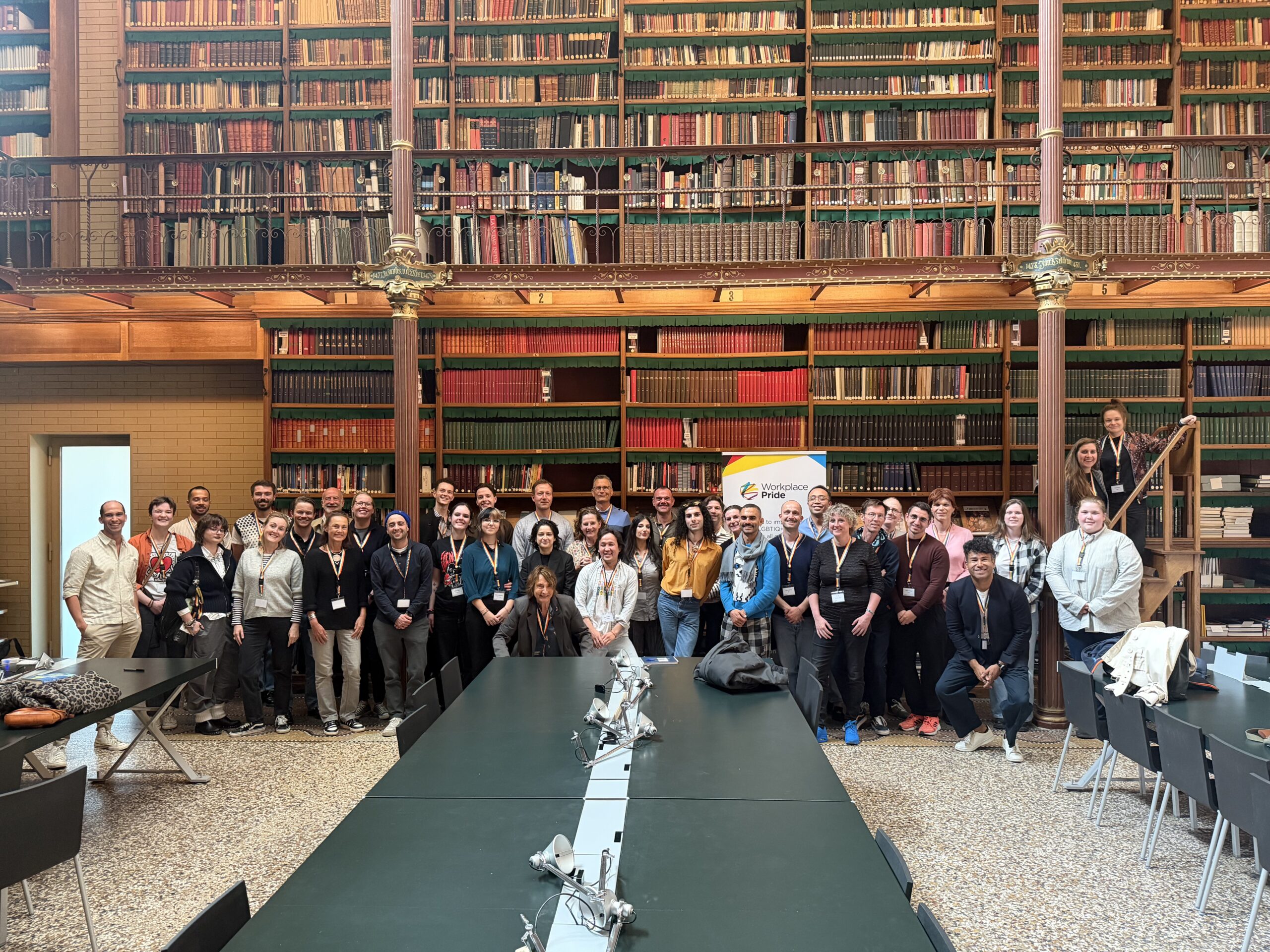
Participants also discussed the importance of amplifying underrepresented voices.

Participants also discussed the importance of amplifying underrepresented voices.

Several important themes emerged during the panel and the breakout sessions that followed. Despite a broader backlash against diversity, equity and inclusion (DEI) initiatives in some parts of society, the Rijksmuseum continues to actively create space for queer artists, ensuring their work is exhibited and meaningful connections are sustained.

The role of inclusive language in artworks and museum campaigns was also highlighted. Storytelling was recognised as a powerful tool for fostering empathy and visibility, while an intersectional approach—encouraging collaboration across different communities—was seen as essential for genuine inclusion.

Participants also discussed the importance of amplifying underrepresented voices, particularly those of the trans community and younger generations. Rather than promoting explicitly labelled “queer agendas”, the museum’s approach often focuses on integrating queer perspectives through representation, embedding them naturally within the broader narrative of art and culture.

The event demonstrated that cultural institutions have a unique responsibility and opportunity: to shape narratives, challenge norms, and create spaces where diversity is not only acknowledged but celebrated. For LGBTIQ+ professionals, especially those at the start of their careers, this kind of engagement is vital—not only for personal empowerment, but also for driving lasting, systemic change within the sector.

Get in Touch

You care about this topic. Now take action. Become a member and gain full access to our research, policy guidance, case studies, and expert insights.

Receive the latest news in your email
Related articles