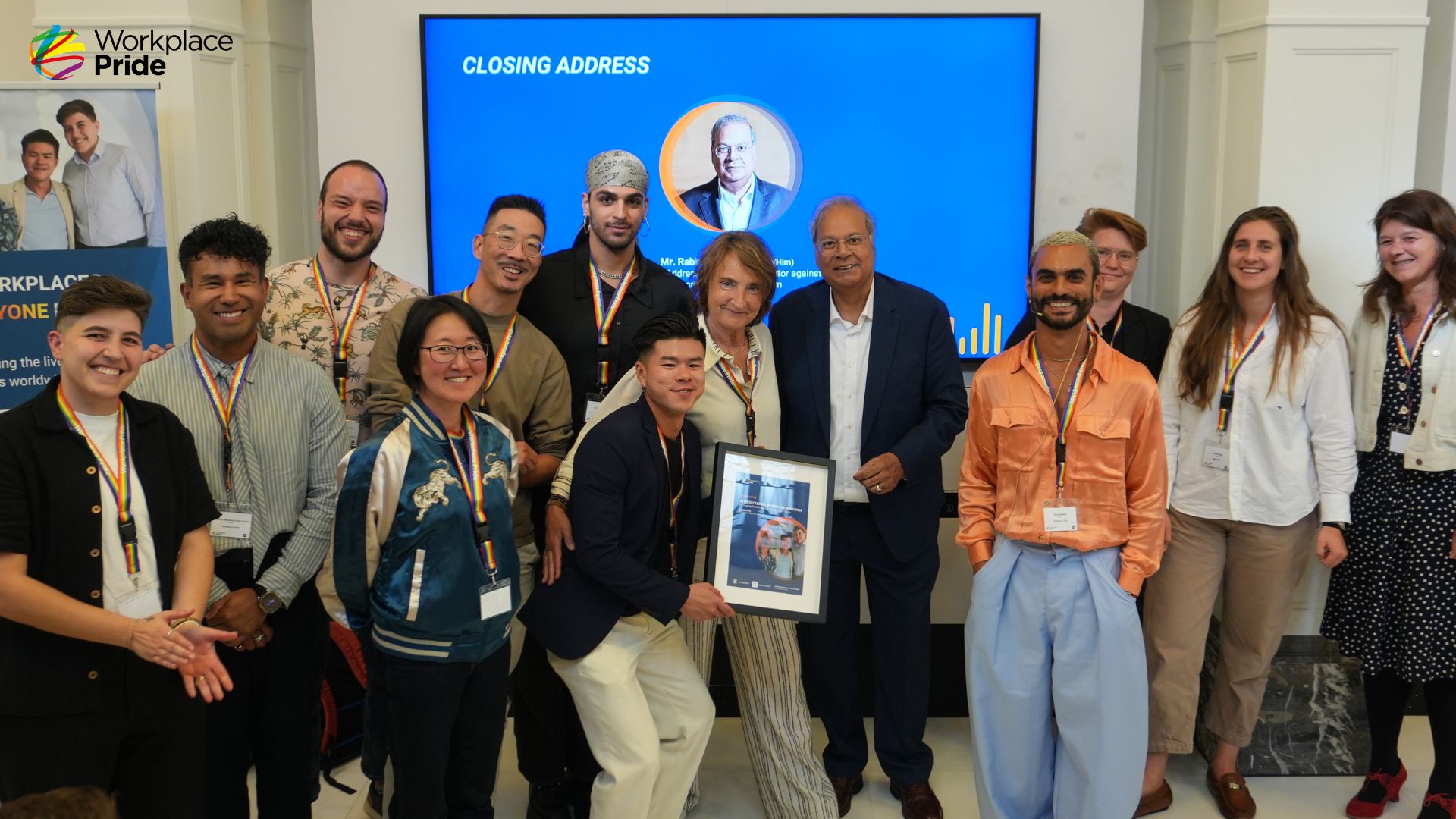
On Thursday, 21 May 2026, the Workplace Pride Queer People of Colour (QPOC) Community, together with Erasmus University Rotterdam, welcomed researchers, professionals, students, community leaders, and inclusion advocates to Erasmus University College in Rotterdam for the launch of the Workplace Pride QPOC Vision Paper.
The event explored how organisations can move beyond intention and take meaningful action toward intersectional workplace inclusion through dialogue, research, and community collaboration.
Developed through a co-creation process between Erasmus University researchers and Workplace Pride members, the vision paper draws on lived experiences and community dialogues with QPOC employees. The research highlights the intersectional challenges many professionals continue to face in the workplace, while also recognising the strengths, perspectives, and leadership QPOC professionals bring to organisations.
Opening Remarks
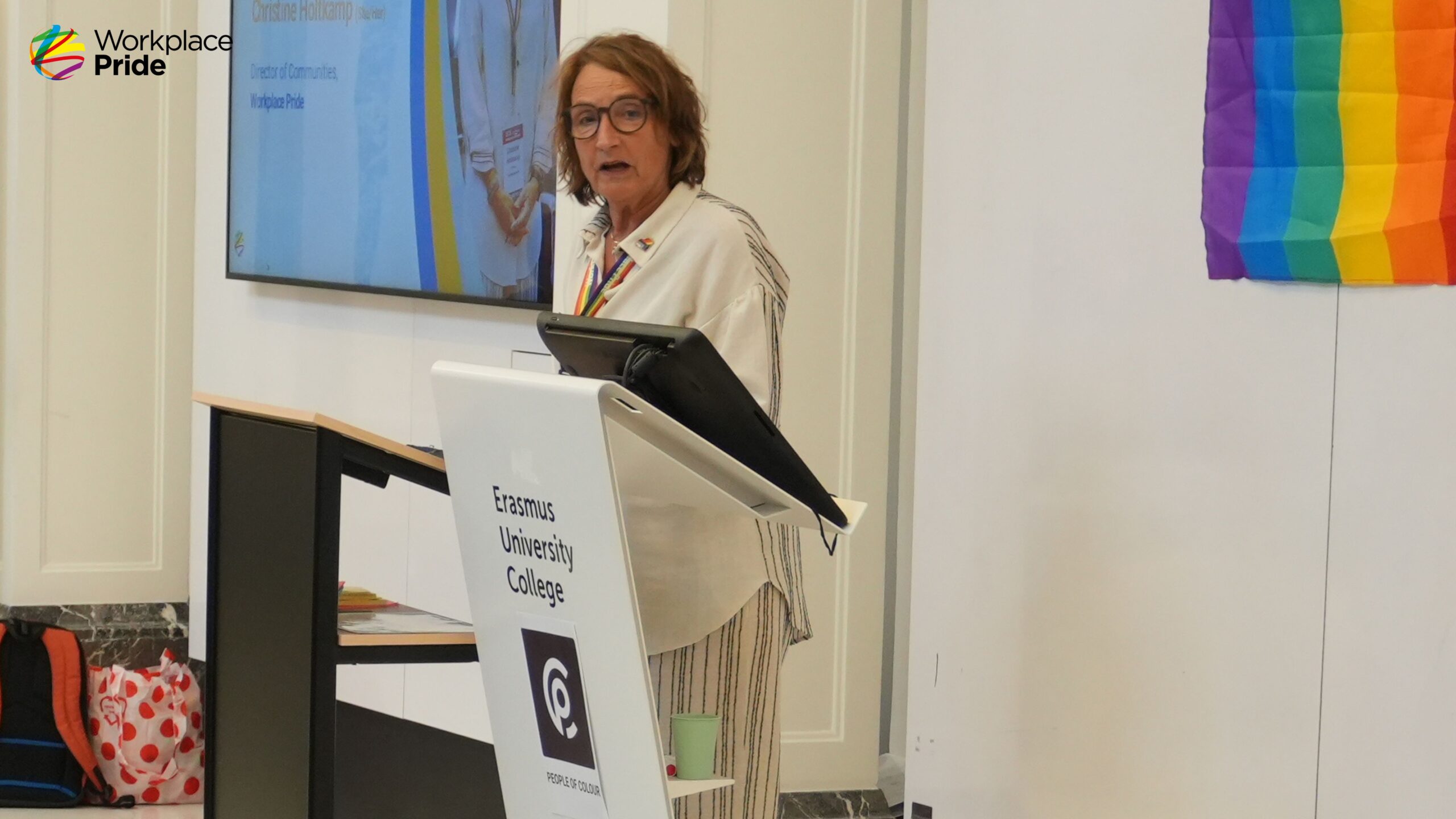
Christine Holtkamp, Director of Communities at Workplace Pride
The afternoon opened with welcoming remarks from Christine Holtkamp, Director of Communities at Workplace Pride, who emphasised the importance of creating workplaces where people feel seen, heard, and valued across all identities.
The programme was moderated by Omar Badawy, who guided participants through an afternoon of reflection, discussion, and collaborative exchange.
Keynote Address
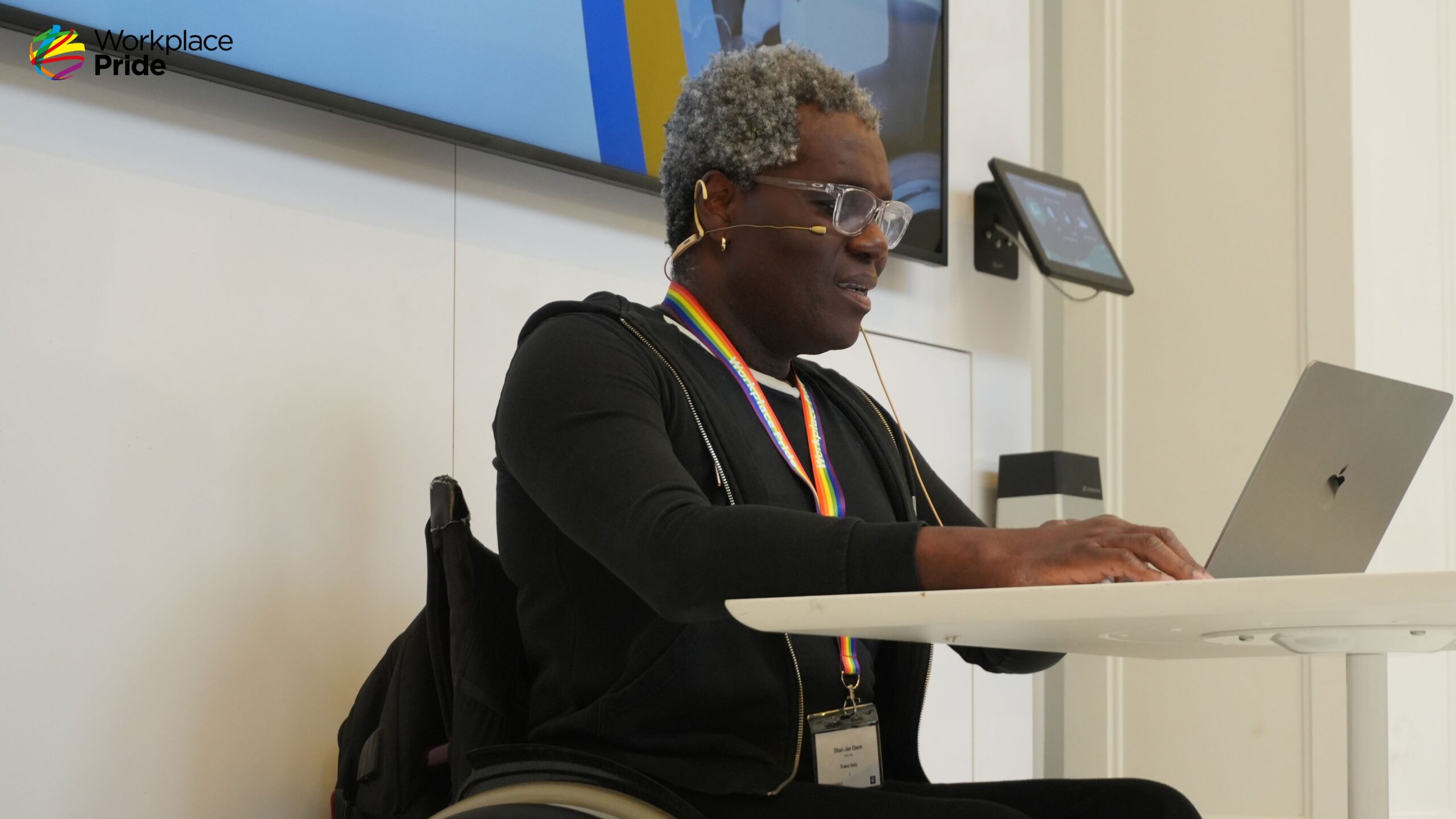
The keynote was delivered by Shari Jae Ebere, World Pride Ambassador and representative of Maatschappelijke Participatie Metropool Amsterdam.
The keynote focused on the importance of intersectionality in workplace inclusion and the need for organisations to actively listen to underrepresented voices and lived experiences.
Key themes included:
- Moving beyond performative inclusion
- Recognising the complexity of intersectional identities
- Building workplaces rooted in belonging, safety, and equity
Presenting the QPOC Vision Paper
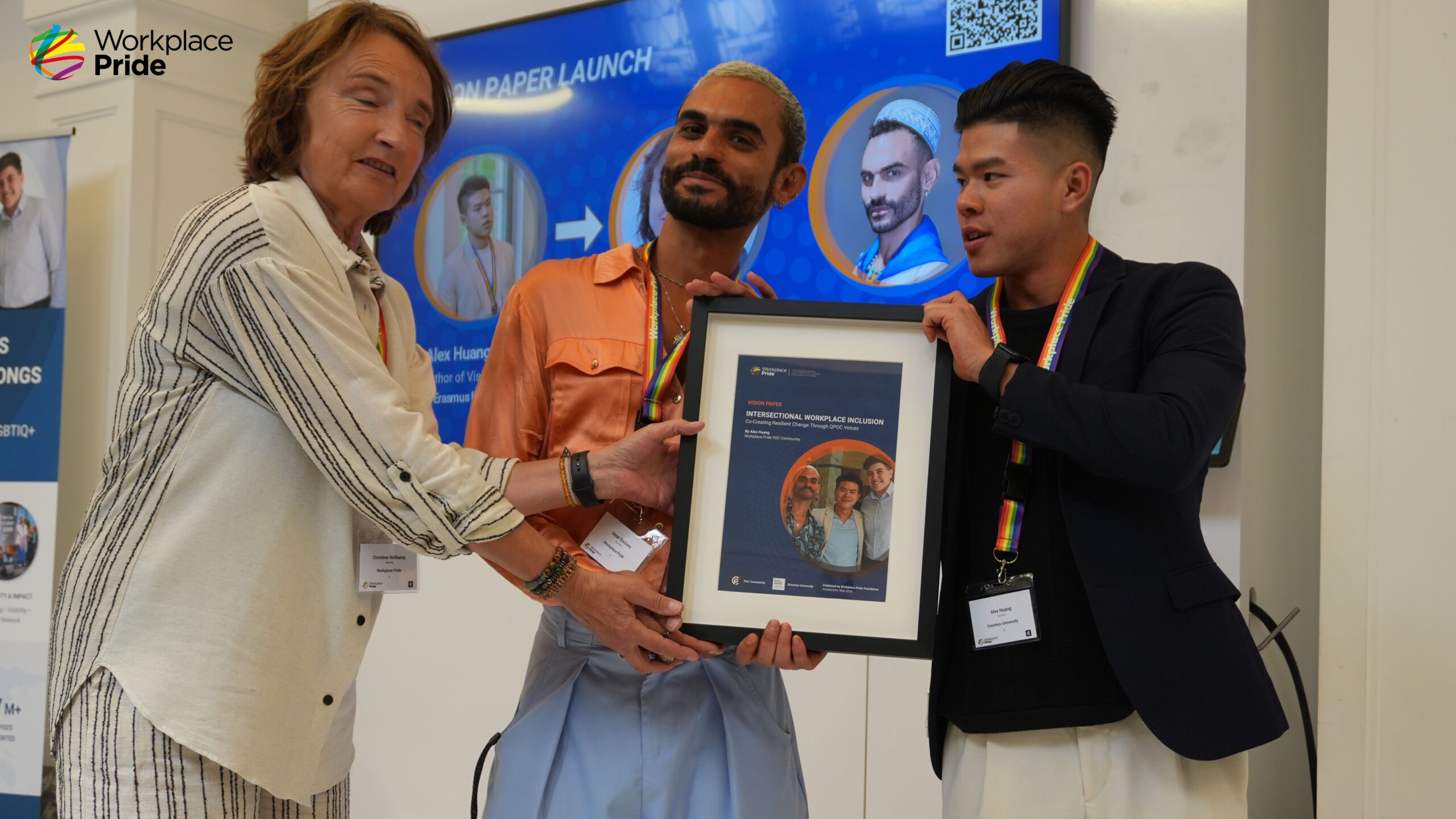
Alex Huang, author of the Vision Paper from Erasmus University, together with Mira Moussa, Lead of the Workplace Pride PoC Community, presented the research findings and insights gathered through community dialogue sessions.
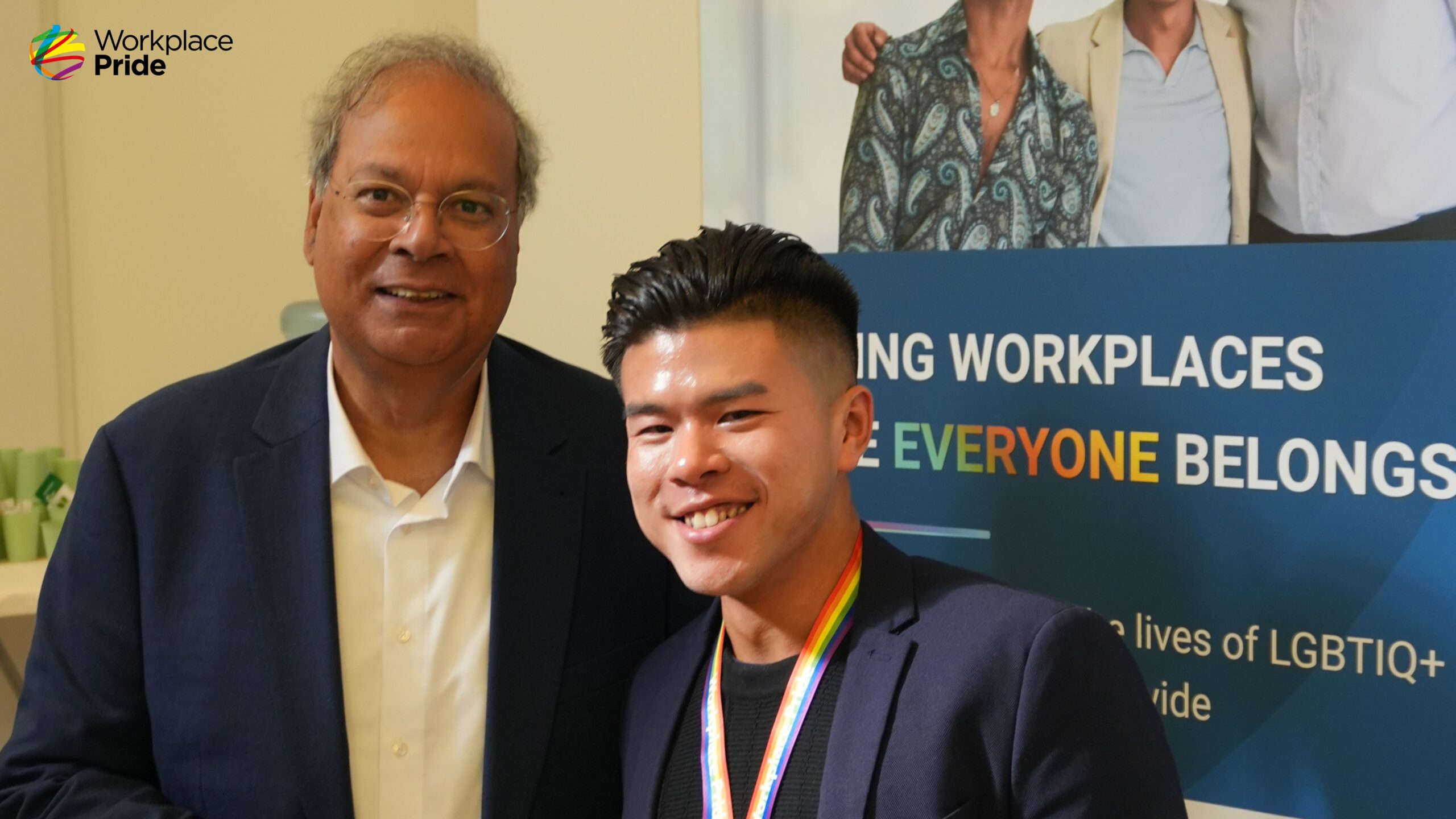
The presentation explored:
- Intersectional challenges experienced by QPOC employees
- The importance of representation and belonging
- The role of policy design in sustainable inclusion
- Practical actions organisations can take to create meaningful change
- The strengths and perspectives QPOC professionals contribute to organisations
One of the strongest reflections shared during the session focused on the research process itself:
“The way this research was conducted is itself an intervention. Through community dialogues and co-creation, participants told us this was the first space they had ever had to speak about their intersectional workplace experiences alongside others who shared them.”
The presenters also highlighted the value QPOC professionals bring to organisations:
“Organisations should invest in making QPOC professionals feel truly included — not as a gesture, but because they bring tremendous value. That value is often invisible precisely because the systems were not built to see it.”
The session concluded with a powerful reflection on the future of the initiative:
“This is the beginning of a journey. A community, a collaboration, a space to build knowledge and experience meaningful inclusion together — and we are just getting started.”
Panel Discussion: From Dialogue to Action
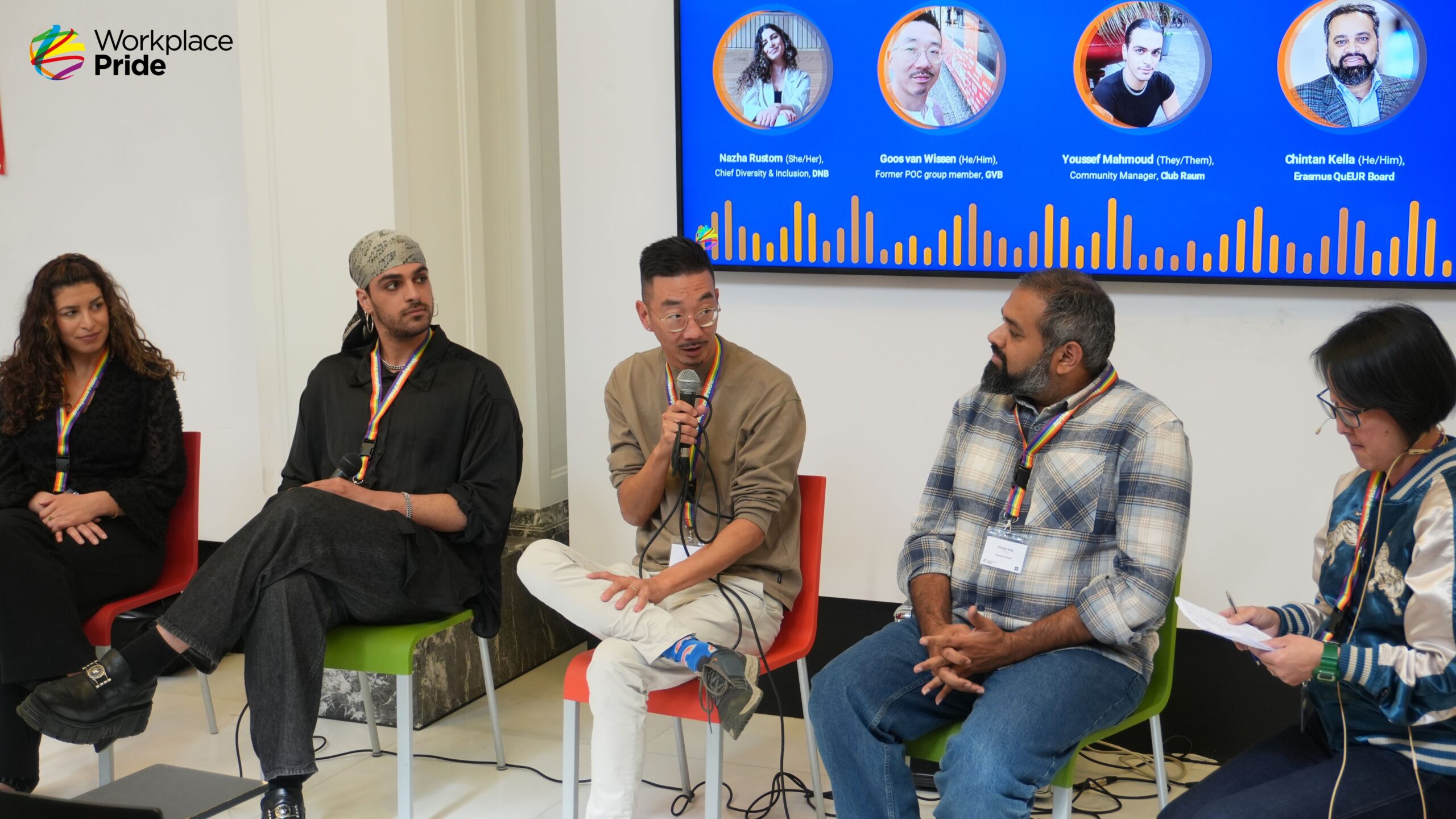
The panel discussion brought together voices from corporate, academic, and community spaces to discuss the realities QPOC professionals continue to face, while also identifying opportunities for more inclusive workplace cultures.
Panel speakers included:
- Goos van Wissen – Former PoC Group Member, GVB
- Nazha Rustom – Chief Diversity & Inclusion, DNB
- Youssef Mahmoud – Community Manager, Club Raum
- Chintan Kella – Erasmus QuEUR Board
The conversation explored:
- Representation in leadership and decision-making
- Creating spaces of belonging and psychological safety
- The importance of intersectional policy design
- The role of community in driving sustainable change
Breakout Sessions Focused on Practical Action
Participants joined interactive breakout sessions centred on lived experience, policy, leadership, and belonging. The sessions encouraged openness, curiosity, and collaborative exploration of the questions organisations still need to address.
Leadership Representation
Facilitated by Mira Moussa
Participants explored questions including:
- How can organisations better integrate inclusion outcomes into leadership accountability?
- What concrete steps can organisations take to change how future leaders are identified and promoted?
- Why are race and intersectionality still insufficiently addressed in leadership structures?
Community & Belonging
Facilitated by Maral Arikan
Discussions focused on:
- What intersectional communities in the workplace can look like
- Whether intersectional communities should exist alongside or within ERGs
- How organisations can create sustainable spaces for connection and belonging
Policy Design
Facilitated by Prof. Dr. Joanneke van der Toorn, Amanda Klysing, and Prof. Laura den Dulk
Participants reflected on:
- How QPOC employees can be meaningfully involved from the beginning of policy development
- How lived experiences can be structurally integrated into organisational decision-making
- How policies can move beyond single-identity approaches toward intersectional realities
Outcomes from the Day
The launch event created space for open dialogue, reflection, and knowledge exchange around intersectional workplace inclusion.
Key outcomes included:
- Increased awareness of the lived experiences of QPOC employees
- Stronger connections between community members, researchers, and organisations
- Shared recommendations for more inclusive workplace policies and practices
- Greater visibility of intersectional perspectives within DEI conversations
- Momentum for continued collaboration between Workplace Pride, academia, and members
The discussions also reinforced several practical actions organisations can take:
- Review inclusion policies through an intersectional lens
- Increase representation across leadership and decision-making roles
- Create safer spaces for employee dialogue and storytelling
- Invest in community-led inclusion initiatives
- Build accountability measures around belonging and inclusion
Closing Remarks
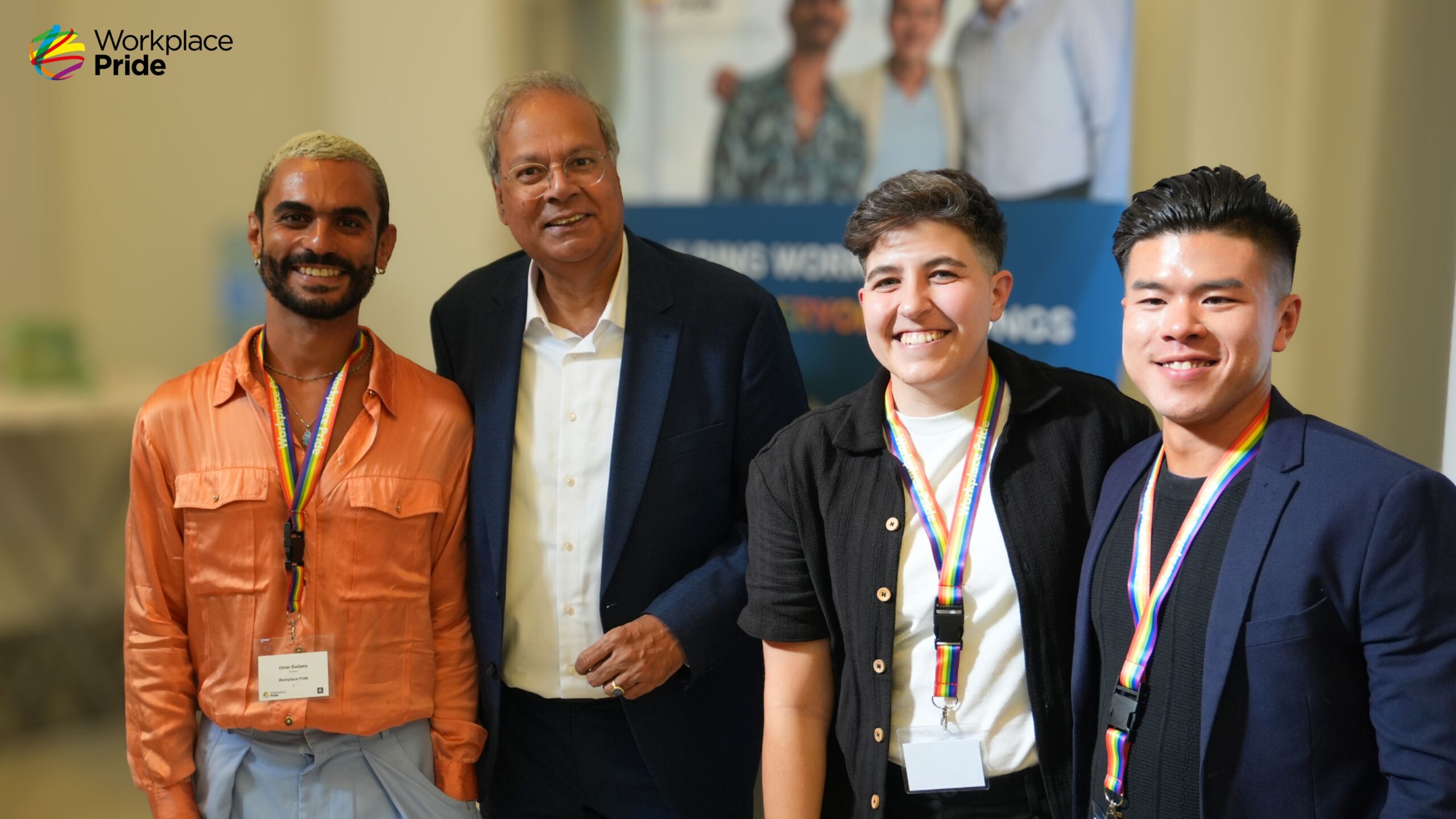
The event concluded with remarks from Rabin Baldewsingh, followed by a vote of thanks from Prof. Marjolijn Antheunis, Dean of Erasmus University ESSB.
Rabin Baldewsingh highlighted the important role workplaces play in creating societal change:
“The workplace is far more powerful than we often recognise. Employers, together with unions and policymakers, can drive real change — at the organisational level, at the national level, and through legal protection and equity frameworks at the EU level.”
Reflecting on the deeper systemic work required, he added:
“We spend too much time on the leaves — because we can see them. But real change happens in the roots. It happens in the system.”
He closed the event with a message of persistence and hope:
“It’s not a sprint, it’s a marathon. But the hope is still there — because you are going to win.”
Continuing the Journey
The launch of the Workplace Pride QPOC Vision Paper marks an important step toward more intersectional and inclusive workplaces.
Workplace Pride and its partners will continue working with members, researchers, and communities to turn dialogue into action and build environments where every individual feels represented, respected, and empowered.
Download the QPOC Vision Paper: